
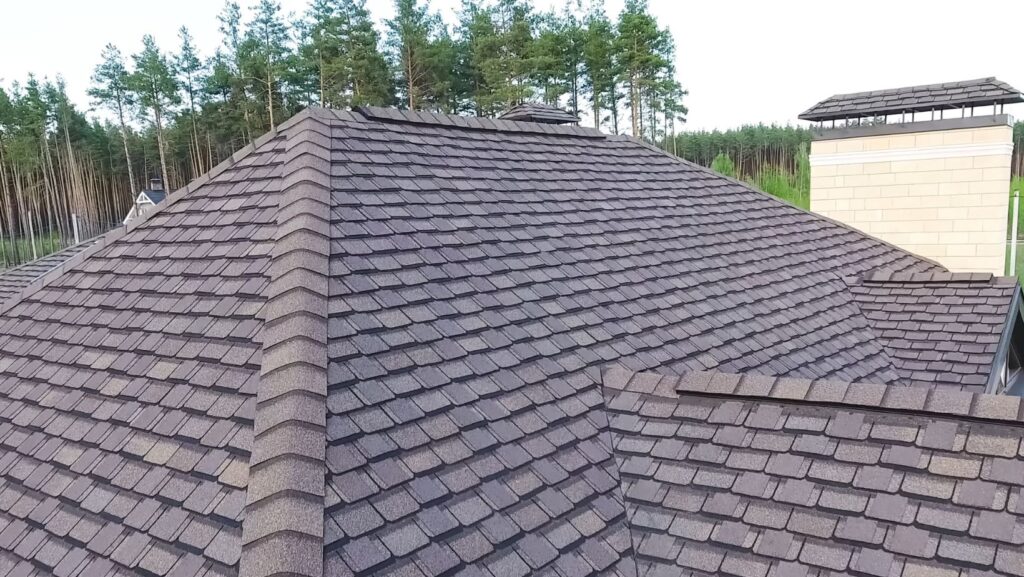
A fallen branch rarely looks like a major problem at first glance. It might leave behind a cracked shingle, a dented vent, or a section of roofing that seems slightly out of place. But what appears minor on the surface can create openings that allow moisture to enter and move through layers of the roof system. The real concern is not always what you can see right away, but what develops in the days or weeks that follow. Small impact points can quietly weaken protective layers that were designed to keep water out.
This is often why homeowners begin researching roofing services Boise after a storm or heavy wind. The goal is not just to repair visible damage, but to understand whether the structure beneath has been affected. A proper evaluation helps determine whether the issue is isolated or part of a larger concern. Taking action early reduces the risk of hidden damage spreading beyond the original impact area. It also helps avoid repeated repairs caused by issues that were never fully addressed.
A Single Impact Can Create Multiple Problems
When a branch lands on a roof, the damage is rarely limited to a single point. The force spreads across surrounding materials, placing stress on shingles, flashing, and fasteners at the same time. Even if only one section looks affected, nearby areas may have shifted enough to weaken their seal. These small changes are easy to miss without a closer inspection.
The outer layer may still appear intact, which can give a false sense of security. Beneath that surface, underlayment or decking may already be compromised. A slight compression or puncture can disrupt how the roof sheds water. Over time, that disruption becomes a pathway for moisture to move deeper into the structure.
Why Damage Often Shows Up Later
Roof damage from a fallen branch does not always make itself obvious right away. A roof can take a direct hit and still look fine from the ground, especially if the impact did not tear materials completely apart. Days or even weeks can pass before anything inside the home changes. Then a stain shows up, or a ceiling starts to discolor, and it feels like the problem came out of nowhere.
What actually happens is much less direct. Water slips through a small opening and moves along whatever path it finds, often following wood or insulation before settling in one spot. It may travel several feet before becoming visible, which makes it hard to connect the interior damage to the original impact. By the time something shows inside, the issue has usually been there longer than it seemed.
Subtle Signs That Point to Hidden Damage
Not all roof damage is easy to spot from the ground. In many cases, early warning signs are subtle and develop gradually over time. Shingles may appear slightly uneven, or granules may begin collecting in gutters more than usual. Flashing might look slightly bent or separated without obvious gaps.
Inside the home, the clues can be just as quiet. A faint stain, a musty smell, or insulation that feels damp can all point to a developing issue. These signs often appear before major damage occurs. Paying attention to them makes it easier to address problems while they are still manageable.
How Weather Turns Small Damage Into Bigger Issues
Once a roof has been weakened by impact, normal weather begins to have a greater effect. Heat can dry out stressed materials, making them more brittle and prone to cracking. Rain introduces moisture into small openings, allowing it to spread beneath the surface. Each weather cycle adds a little more strain to an already vulnerable area.
Temperature changes also play a role in widening gaps. As materials expand and contract, small separations can grow larger over time. What started as a minor issue becomes more difficult to contain. Addressing the damage early prevents this gradual progression.
Understanding When Repairs Are Enough
Not every branch impact leads to a major repair. If the damage is confined to a small area and addressed early, fixing a few shingles or resealing a section of flashing can be enough to restore the roof’s ability to shed water. In those cases, the structure underneath has not been affected, and the repair stays limited to the surface.
The situation changes when the same area keeps having issues or signs of moisture start to appear. That usually means the problem goes beyond what is visible. Water may have already reached the layers beneath the shingles, and covering the surface will not stop it from spreading. Taking the time to look deeper at that point can prevent the same problem from coming back again.
Why Inspections Provide Clarity
A professional inspection offers a clearer understanding of what actually happened during the impact. It goes beyond surface-level observations and looks at how the roofing system responded as a whole. Inspectors check for hidden damage, moisture intrusion, and weakened structural components. They also assess whether nearby areas were affected by the force.
This level of detail helps guide better decisions about repairs. Instead of guessing, homeowners can move forward with a plan based on actual conditions. A thorough inspection reduces the chances of overlooking issues that could lead to future damage.
Reducing the Risk Moving Forward
While not all branch impacts can be prevented, there are ways to reduce the likelihood of damage. Trimming limbs that extend over the roofline helps minimize the chance of direct contact during storms. Regular maintenance also strengthens the roof’s ability to handle stress from wind and debris.
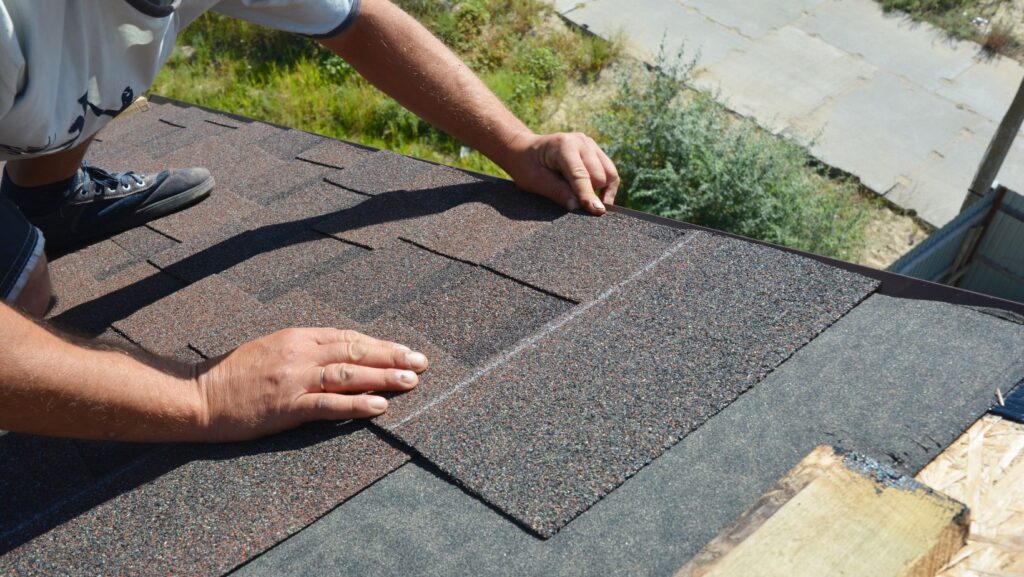
Simple steps like clearing gutters and checking for early signs of wear can make a noticeable difference. These efforts help maintain proper drainage and reduce strain on roofing materials. A well-maintained roof is better equipped to handle unexpected events.
Choosing Repairs That Last
A lasting repair involves more than fixing what is immediately visible. It requires understanding how the damage occurred and how it affected surrounding materials. Without that context, repairs may only address part of the problem. This often leads to repeated issues that could have been avoided.
Homeowners exploring roofing services Boise are often trying to avoid that cycle. A careful evaluation and a well-planned repair approach lead to more reliable results. Taking the time to address the full issue helps protect the roof over the long term.
The Real Risk Begins After Impact
Fallen branches can create more than surface-level damage. What begins as a small impact can lead to hidden moisture, weakened materials, and interior issues if it is not addressed properly. By paying attention to early signs and responding quickly, homeowners can prevent minor damage from spreading.